Skip to content

Living in Miami means enjoying ocean breezes, warm weather, and vibrant city life, but it also means dealing with constant humidity, coastal air, and urban pollutants that quietly affect your indoor environment. Even when your AC is running, your home can still feel heavy, dusty, or slightly uncomfortable without you knowing why. That’s because moisture in the air, combined with sealed living spaces and daily HVAC use, allows contaminants to build up and circulate indoors.
Over time, this impacts not just how your home feels, but also your health and overall comfort. What many people don’t realize is that indoor air can often be more polluted than outdoor air in Miami’s climate. Understanding what affects your indoor air quality is the first step toward creating a cleaner, healthier, and more comfortable living space.
How Miami’s Climate Affects Indoor Air Quality in Homes

Living in Miami means dealing with a warm, humid, and coastal climate almost year-round. While this environment is great for lifestyle, it creates challenges for maintaining clean indoor air. Moisture in the air, combined with ocean exposure and dense urban surroundings, allows pollutants to enter and stay trapped inside your home. In many Miami condos and tightly sealed apartments, where ventilation is limited, HVAC systems run constantly with little fresh air exchange.
Over time, this leads to buildup of dust, allergens, and airborne particles indoors. Homes located near busy roads, construction zones, or coastal areas often experience even higher levels of airborne contaminants. Understanding how Miami’s climate affects your home helps you take the right steps to improve air quality.
Key climate factors include:
- Year-Round Humidity – Moist air allows allergens, dust, and pollutants to accumulate and circulate inside your home.
- Coastal Air Exposure – Salt and airborne particles enter indoor spaces, affecting air cleanliness and HVAC performance.
- Frequent Rainfall Patterns – Increased moisture raises indoor humidity levels and contributes to damp air conditions.
- Urban Environment Influence – Traffic and construction introduce pollutants that enter homes through ventilation and openings.
- Limited Seasonal Change – Constant climate conditions prevent natural drying, allowing contaminants to build up over time.
Miami’s environment makes indoor air quality harder to maintain without proper care. Over time, these pollutants don’t just settle—they continue circulating through your HVAC system, affecting the air you breathe every day. Let’s take a closer look at the key factors that affect indoor air quality in Miami homes and how they impact your comfort and health.
High Humidity Levels and Their Impact on Indoor Air Quality
Humidity is one of the biggest factors affecting indoor air quality in Miami homes. When moisture levels are high, it creates the perfect environment for allergens, bacteria, and mold to thrive. Even if your home feels cool, excess humidity can make the air feel heavy and uncomfortable. Over time, this affects both your comfort and your health. Many homeowners focus only on temperature, but controlling moisture is just as important. Proper humidity management is key to maintaining a healthy indoor environment.
Effects of high humidity include:
- Mold Growth Risk – Moist conditions promote mold development inside ducts, walls, and HVAC components.
- Dust Mite Activity – Humid environments allow dust mites to thrive and increase indoor allergen levels.
- Heavy Indoor Air Feel – Air feels damp and uncomfortable due to excess moisture content indoors.
- Reduced Air Freshness – Moisture prevents air from feeling clean and properly ventilated.
- Increased Allergen Spread – Humidity allows airborne particles to remain suspended and circulate longer.
If humidity is not controlled, it can quickly lead to poor indoor air quality and discomfort. Managing moisture is essential in Miami homes. Regular AC service helps your system remove humidity effectively and maintain a balanced indoor environment.
Dust, Pollen, and Outdoor Pollutants Entering Miami Homes
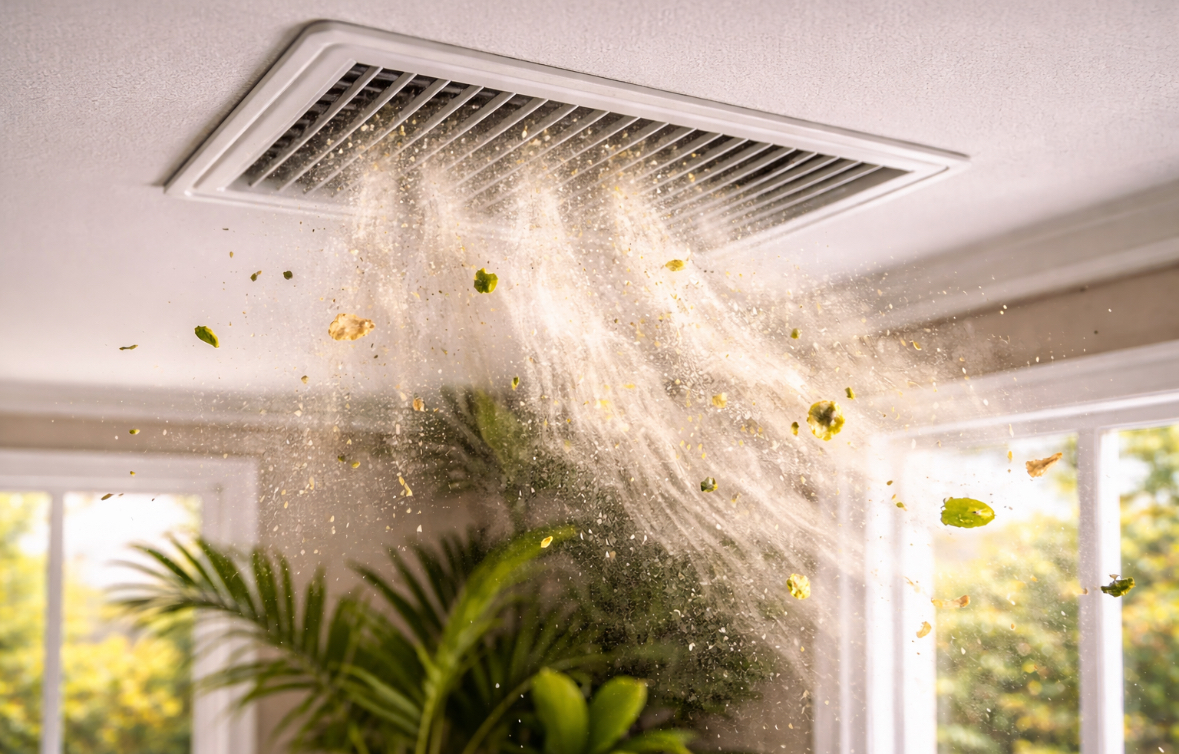
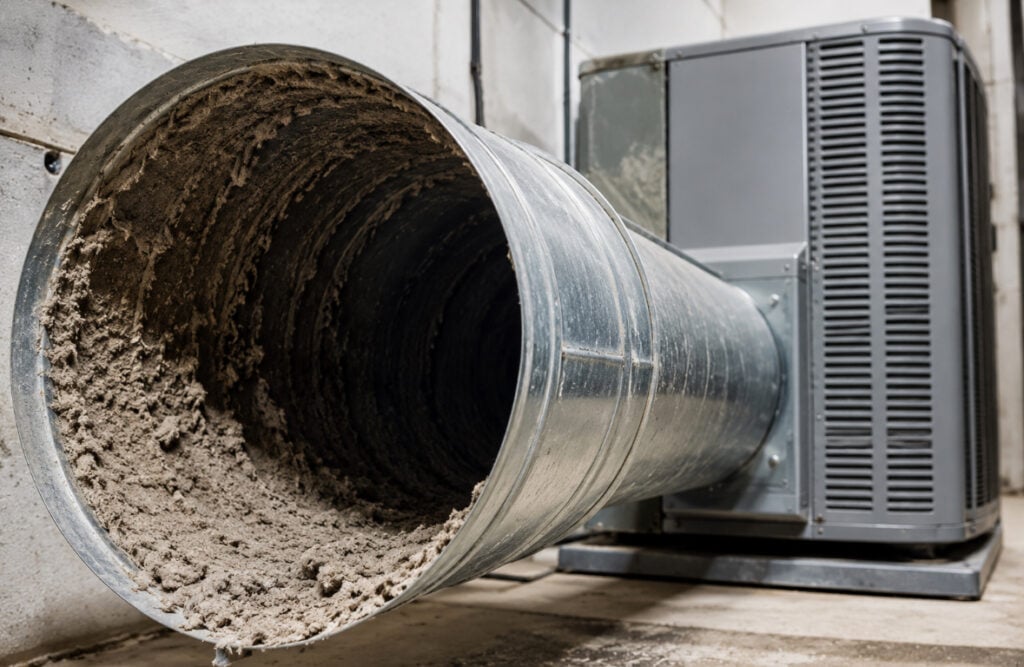
Even when your home is closed, outdoor pollutants can still enter and affect indoor air quality. In Miami, coastal winds, traffic, and urban activity constantly introduce dust and airborne particles into your living space. These pollutants often settle inside your HVAC system and circulate throughout your home.
Over time, they accumulate and reduce the quality of air you breathe. This is especially noticeable in homes near busy roads or construction areas. Keeping these pollutants under control is important for maintaining clean indoor air.
Common pollutants include:
- Dust Particle Build-Up – Fine dust enters homes and accumulates inside ducts and indoor surfaces.
- Pollen Intrusion Indoors – Outdoor pollen enters through doors, windows, and ventilation systems regularly.
- Traffic Pollution Exposure – Vehicle emissions contribute to airborne contaminants entering urban homes.
- Construction Debris Particles – Ongoing development releases dust that settles inside HVAC systems.
- Salt Air Contaminants – Coastal air carries particles that affect both air quality and system performance.
Once these pollutants enter your home, they don’t just settle—they continue circulating through your HVAC system, affecting air quality over time. This becomes even more problematic when combined with moisture, which creates ideal conditions for mold and mildew growth.
Mold and Mildew Growth Inside HVAC Systems and Ductwork
In Miami’s humid climate, moisture buildup inside HVAC systems is a common issue. When condensation forms inside ducts, coils, or drain systems, it creates ideal conditions for mold and mildew growth. These contaminants don’t stay contained—they spread through your home every time the system runs.
Over time, this can affect both air quality and system performance. Many homeowners don’t realize mold is present until odors or health symptoms appear. Addressing moisture inside your HVAC system is critical for maintaining clean air.
Signs of mold-related issues include:
- Musty Indoor Odors – Persistent smell indicates mold growth inside ducts or HVAC components.
- Visible Mold Around Vents – Dark spots near vents suggest contamination inside duct system.
- Increased Allergy Symptoms – Mold spores trigger sneezing, irritation, and breathing discomfort indoors.
- Moisture Around HVAC Units – Condensation buildup creates conditions for mold development inside system.
- Air Quality Decline Indoors – Air feels stale and unhealthy due to circulating contaminants.
Mold growth is one of the most serious indoor air quality issues in Miami homes. Ignoring it can lead to long-term health risks. Scheduling a professional AC service helps eliminate moisture buildup and prevent mold from spreading.
Poor Ventilation and Airflow Issues Affecting Indoor Air Quality
Many Miami homes rely heavily on air conditioning with limited natural ventilation. While this helps maintain temperature, it can trap indoor air and prevent fresh air circulation. Over time, pollutants, moisture, and stale air remain inside your home. This creates an environment where air quality continues to decline. Proper airflow is essential for maintaining a healthy indoor space. Without it, even clean homes can experience poor air conditions.
Ventilation-related issues include:
- Limited Fresh Air Flow – Lack of ventilation prevents fresh air from replacing stale indoor air.
- Trapped Indoor Pollutants – Dust and contaminants remain inside due to restricted air movement.
- Over-Reliance on AC Systems – Air circulation depends entirely on HVAC instead of natural airflow.
- Stale Indoor Air Build-Up – Air feels heavy and uncomfortable due to poor ventilation conditions.
- Humidity Retention Indoors – Moisture remains trapped, worsening indoor air quality over time.
Improving ventilation is essential for better indoor air quality. Without proper airflow, pollutants continue to circulate inside your home. A professional indoor air quality service helps improve air circulation and maintain a healthier indoor environment.
Dirty Air Filters and HVAC Maintenance Problems
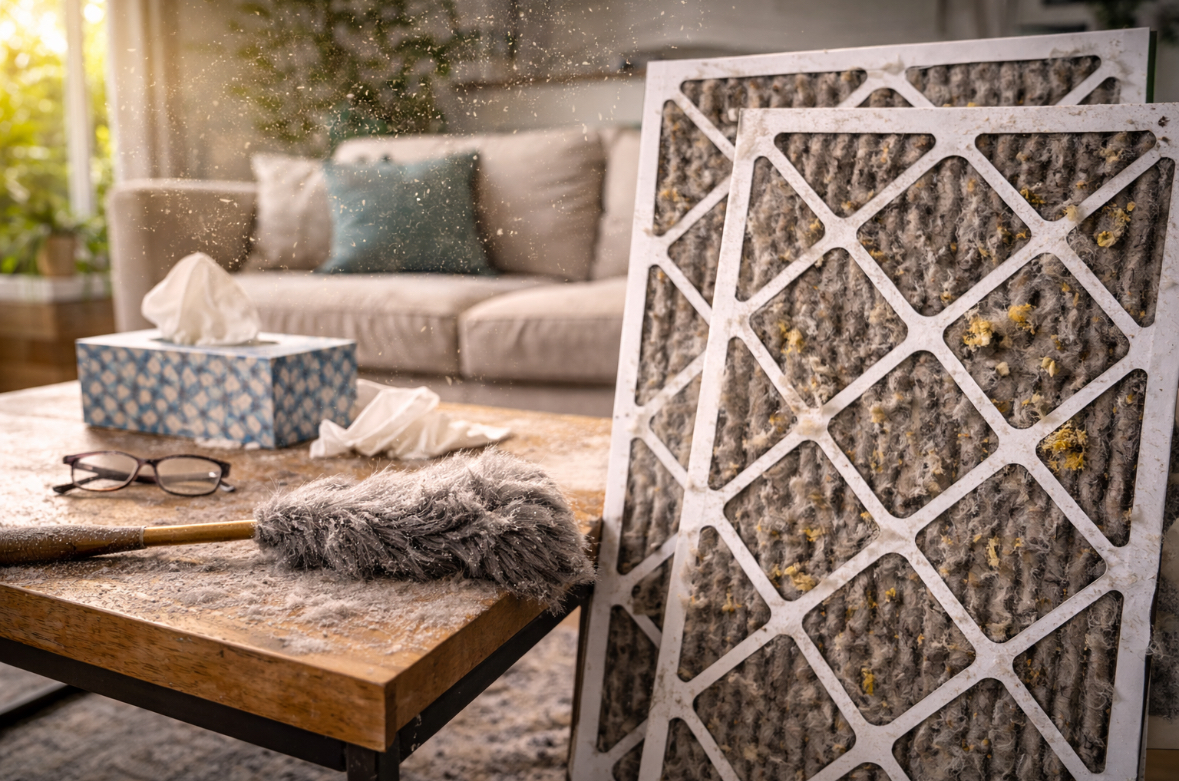
Your HVAC system plays a key role in filtering and circulating air throughout your home. When filters are dirty or maintenance is neglected, your system becomes less effective at removing contaminants. In Miami, where dust and humidity are constant, filters can become clogged faster than expected. This reduces airflow and allows pollutants to circulate freely. Over time, this impacts both air quality and system performance. Regular maintenance is essential for keeping your system efficient.
Common maintenance-related issues include:
- Clogged Air Filters – Dirty filters block airflow and allow pollutants to circulate inside your home.
- Reduced Filtration Efficiency – System cannot effectively capture dust, allergens, and airborne particles.
- Airflow Restrictions – Blocked filters reduce air movement and impact cooling performance significantly.
- Increased System Strain – HVAC works harder due to reduced airflow and poor filtration.
- Faster Contaminant Build-Up – Lack of maintenance allows dust and debris to accumulate inside system components.
Regular maintenance keeps your system functioning properly and improves indoor air quality. Scheduling routine AC maintenance service ensures your filters and components are clean and working efficiently.
How Poor Indoor Air Quality Affects Health and Comfort
Poor indoor air quality doesn’t just affect your home—it directly impacts your health and daily comfort. In Miami, where humidity and pollutants are common, these effects can become noticeable quickly. You may experience discomfort without realizing the air is the cause. Over time, poor air quality can lead to ongoing health issues and reduced quality of life. Recognizing these effects helps you take action early.
Common health and comfort issues include:
- Frequent Allergy Symptoms – Sneezing, coughing, and irritation occur more often indoors than outside.
- Respiratory Discomfort – Breathing becomes difficult due to pollutants circulating through indoor air.
- Persistent Fatigue Indoors – Poor air quality can lead to discomfort and reduced energy levels.
- Headaches and Irritation – Contaminated air can trigger headaches and general discomfort throughout the day.
- Uncomfortable Indoor Environment – Air feels heavy, stale, and less refreshing despite AC usage.
Improving indoor air quality leads to better comfort and overall well-being. Addressing these issues early helps create a healthier living environment. A professional indoor air quality service ensures your home stays clean, fresh, and comfortable.
Why Choose 24/7 Air Conditioning Services in Hialeah, FL
When your indoor air quality is affected, choosing the right HVAC company is essential. In South Florida, where humidity and environmental factors constantly impact air quality, you need a team that understands local challenges. With the right expertise, your system can be optimized to improve airflow and reduce contaminants. This ensures long-term comfort and better air quality.
Choosing the right HVAC contractor ensures your indoor air quality is handled correctly from the start. With expert support, you can maintain a cleaner, healthier, and more comfortable home environment year-round.