Skip to content
Common Air Conditioner Problems in Hialeah. Fast, Expert Repairs and Practical Fixes
Hialeah’s heat and humidity strain home air conditioners, leading to common, fixable problems. This guide covers the most frequent air conditioner issues Hialeah homeowners encounter, from cooling failures and water leaks to electrical faults and emergencies.
It provides practical homeowner checks, safe DIY steps, and clear guidance on when to call a local Hialeah air conditioner repair team for diagnostics or same-day service. Each section offers troubleshooting, remedies, and comparison tables to quickly match symptoms to causes.
Why Is My Air Conditioner Not Cooling in Hialeah? Causes and Effective Fixes

If your air conditioner runs but fails to cool, common culprits include restricted airflow, refrigerant issues, or failing mechanical parts. Dirty filters, blocked vents, refrigerant leaks, or compressor/fan failures all reduce cooling capacity. In Hialeah’s humidity, short cycling or clogged coils worsen the problem, increasing discomfort and energy use. Prompt checks are crucial.
The following sections detail common causes, homeowner checks, and when to call a professional for diagnostics.
Common causes of warm or weak airflow:
- A dirty air filter or blocked vents are limiting airflow and reducing cooling.
- Low refrigerant or an active refrigerant leak is causing loss of cooling pressure.
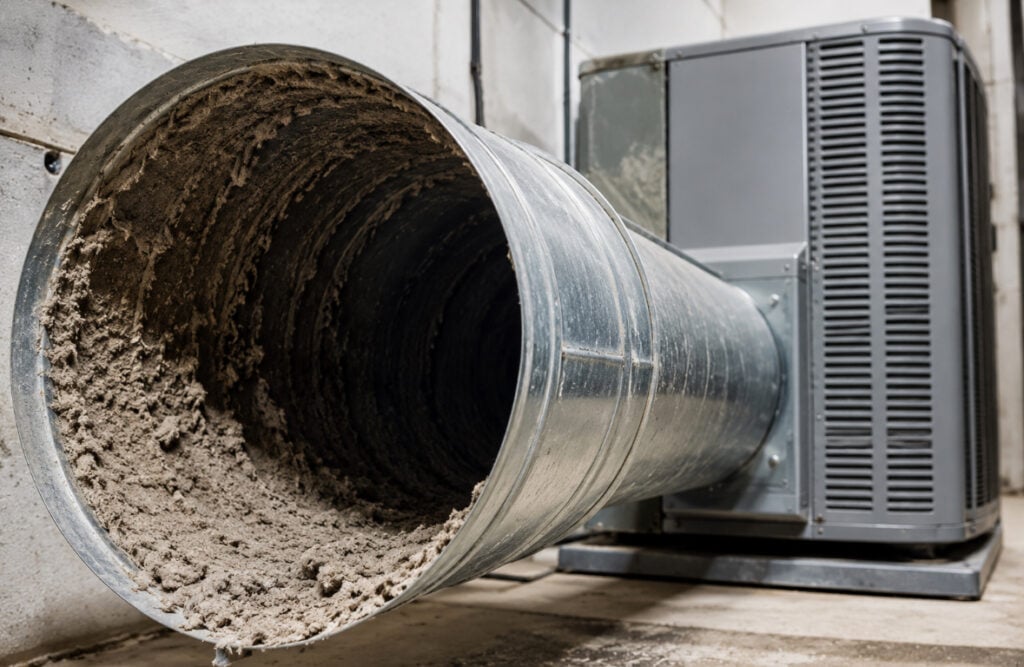
- Dirty or damaged evaporator or condenser coils cut heat transfer.
- Compressor or fan motor failures that stop effective heat movement.
These issues suggest homeowner checks or professional repairs; details follow for immediate action or technician escalation.
| Cause | Symptom | Recommended Action |
|---|---|---|
| Dirty filter / blocked vents | Reduced airflow, uneven cooling | Replace the filter and clear vents; schedule maintenance if the problem returns |
| Low refrigerant (leak) | Weak cooling, hissing noises, ice on lines | Stop using the unit and call a pro for leak detection and recharge |
| Dirty coils | Warm air, long run times, and higher energy bills | Clean accessible coils; arrange professional coil cleaning for heavy buildup |
This table helps prioritize homeowner checks versus technician calls. The next subsection details refrigerant leak identification and repair.
What Are the Signs of Refrigerant Leaks and How Are They Repaired?
Refrigerant leaks typically manifest as gradual cooling loss, ice on the evaporator coil or suction line, and sometimes a faint hissing. Technicians locate leaks using electronic detectors, UV dye, or pressure tests before recharging.
Repairs involve sealing small leaks, brazing, or replacing damaged components. After repair, the system must be precisely charged and tested. For older R-22 units, a leak often leads to considering replacement with modern refrigerant equipment.
How Do Frozen Evaporator Coils Affect Cooling and What Can Be Done?
Frozen evaporator coils impede airflow and heat transfer. As ice melts, the system may blow warm air and leak water. Causes include clogged filters, restricted airflow, or low refrigerant. Homeowners should immediately turn off the air conditioner to thaw the coil, then replace/clean the filter and clear return grills.
If freezing recurs, call a technician to check refrigerant charge, blower, and coil condition to prevent compressor damage. Regular maintenance and humidity control in Hialeah improve reliability.
Identification and Repair of Air Conditioner Water Leaks in Hialeah Homes

While normal, air conditioner condensate becomes problematic when drain lines clog or pans corrode, leading to overflows and potential mold in humid Hialeah homes. Quickly identifying the source, be it a clogged drain, frozen coil thaw, cracked pan, or disconnected line, allows for safe short-term measures and professional repairs.
The steps below detail simple checks, actions to limit damage, and when to call for condensate drain cleaning or water extraction. Understanding these prevents worsening damage and ensures timely Hialeah air conditioner repair.
Quick checks and homeowner steps for air conditioner water problems:
- Inspect the condensate pan and visible lines: Look for standing water or rust that indicates a failing pan.
- Check the condensate drain outlet: Use a flashlight to see if water flows freely; slow flow usually means a clog.
- Turn off the unit and allow thaw: If the coil was frozen, shutting off the system prevents further overflow during thaw.
These steps reduce immediate damage and indicate when professional cleaning is needed.
The table below matches visible signs to leak sources and urgency.
| Leak Source | Risk / Signs | Typical Fix / Time-to-fix |
|---|---|---|
| Clogged condensate drain | Water backing up, slow drain, musty/mold odor | Flush or snake the line; professional cleaning (1–3 hours) |
| Frozen coil then thaw overflow | Sudden pooling after the system restarts | Fix airflow or refrigerant issue; dry and sanitize affected areas (2–6 hours) |
| Corroded / cracked drain pan | Persistent dripping under the unit | Replace the pan and secure drain connections (2–4 hours) |
This breakdown helps prioritize response and service type. The next subsection explains condensate drain clog causes and clearing methods.
What Causes Clogged Condensate Drain Lines and How Are They Cleared?
Condensate drain clogs, common in humid Hialeah, result from biological growth (algae, mold), dust, and debris. Homeowners can sometimes clear minor clogs by flushing with distilled white vinegar or using a wet/dry vacuum, depending on access and severity.
Professionals use mechanical snaking, biocide flushing, line inspection, and pan treatment to inhibit regrowth. Regular maintenance and accessible drain traps reduce repeat clogs.
How Do Frozen Coils and Drain Pan Issues Lead to Water Leaks?
Coils freeze due to restricted airflow or low refrigerant. When the system stops, the melting ice can overwhelm a damaged or corroded drain pan, causing pooling under indoor units or ceiling leaks. Homeowners should safely turn off and disconnect power.
Technicians address root causes, restoring airflow, repairing refrigerant leaks, and replacing rusted pans to prevent recurrence and mold. Regular inspection of pan condition and condensate routing minimizes costly water damage in Hialeah homes.
Common Air Conditioner Electrical and Thermostat Problems in Hialeah

Electrical and control issues frequently cause air conditioner failures, from thermostat missettings to dangerous component failures like bad capacitors. Safe homeowner checks include verifying thermostat settings/batteries, resetting tripped breakers, and ensuring the outdoor disconnect is ON.
Hazardous tasks, such as capacitor replacement or control board work, require certified technicians. Watch for burning smells, repeated breaker trips, or non-responsive thermostats, and call for professional diagnostics. The sections below cover thermostat troubleshooting and common electrical faults.
Quick thermostat and control checks homeowners can do:
- Make sure the thermostat is set to Cool, and the set temperature is below room temperature.
- Replace thermostat batteries and power-cycle smart thermostats.
- Check circuit breakers and the outdoor disconnect switch to ensure they’re on and untripped.
These simple steps often restore basic function and indicate when professional electrical diagnostics are needed.
How to Troubleshoot Faulty Thermostats and Restore Proper Function
Troubleshoot thermostats by confirming the following basic settings: mode is set to “cool,” fan is set to “auto,” and the temperature is below room temperature. Replace batteries if necessary. For smart thermostats, verify Wi-Fi and power-cycle; many issues resolve after a restart or app-based firmware update.
If the display is blank, wiring appears damaged, or the thermostat fails to call for cooling despite correct settings, a certified technician should inspect wiring and the HVAC control board. For replacement or an upgrade to a smart programmable thermostat, a HVAC technician can recommend compatible models and often perform same-day swaps.
What Electrical Issues Cause Air Conditioner Units Not to Turn On and How Are They Fixed?
If an air conditioner won’t power on, common causes include tripped breakers, blown fuses, a tripped float switch (from condensate overflow), or failed outdoor components like capacitors and contactors. Homeowners can safely check the indoor breaker, outdoor disconnect, and visible fuses, but should avoid opening the unit or touching internal electrical parts.
Technicians replace failed capacitors, contactors, or control boards and test compressor health; many repairs are completed in one visit if parts are available. These safe checks help determine when to call for professional Hialeah air conditioner repair, avoiding risky DIY.
When Should You Call for Emergency Air Conditioner Repair in Hialeah? Signs and Services

Call for emergency service if there’s no cooling during extreme heat, a persistent burning smell, visible sparks/smoke, or uncontrolled water leaks, as all pose health or fire risks. Immediate safety steps: shut off power for electrical hazards, evacuate if smoke/burning is present, and stop the unit to prevent water damage; then contact emergency repair. The list below highlights red flags warranting an urgent service call.
- No cooling during extreme daytime heat, especially with infants, the elderly, or medically vulnerable people in the home.
- Burning odor, visible smoke, or electrical arcing near the unit.
- Rapid water flow from the unit is causing flooding or ceiling leaks.
- Loud grinding or knocking that suggests imminent mechanical failure.
Warning Signs of an Air Conditioner Emergency in Hialeah Homes
Burning smells, smoke, and electrical sparks are critical emergency signals indicating fire hazards; shut off power and evacuate, then call for help. Total cooling loss during extreme heat is an emergency for vulnerable occupants, requiring prioritized response to prevent heat-related illness.
Rapid flooding from failed condensate parts or ruptured refrigerant lines threatens structure and indoor air quality (mold), necessitating urgent remediation. Recognizing these signs aids immediate shutoff and rapid professional intervention.
Get Fast, Reliable Air Conditioner Repair in Hialeah. Call 24/7 Air Conditioning Service Today

Hialeah’s heat and humidity make air conditioner problems more than just an inconvenience. From weak cooling and water leaks to electrical failures and emergency breakdowns, knowing the warning signs and acting quickly helps protect your comfort, safety, and HVAC system.
While simple checks can solve minor issues, many problems require professional diagnostics to prevent bigger repairs or health risks. Timely service restores efficiency, reduces energy waste, and keeps small issues from turning into costly emergencies.
When your AC isn’t performing the way it should, trust the local experts who are ready day or night. Contact 24/7 Air Conditioning Service for fast, dependable AC repair in Hialeah, and get your home back to cool, reliable comfort without delay.